

Electronic Waste Management
Each year in California hundreds of thousands of computers, printers, televisions, and other electronics become outdated in the eyes of consumers. Rapid advances in technology and demand for new features and upgrades led to an increase of wasted electronic devices, or e-waste.
Program News
-
Beginning on January 1, 2026, Senate Bill 1215 adds covered battery-embedded products to the Covered Electronic Waste Recycling Program. For the implementation timeline and an overview of the bill requirements, please see our dedicated SB 1215 webpage.
Where to Recycle?
Use the eRecycle directory to find an e-waste collector in your area.
What is E-Waste?
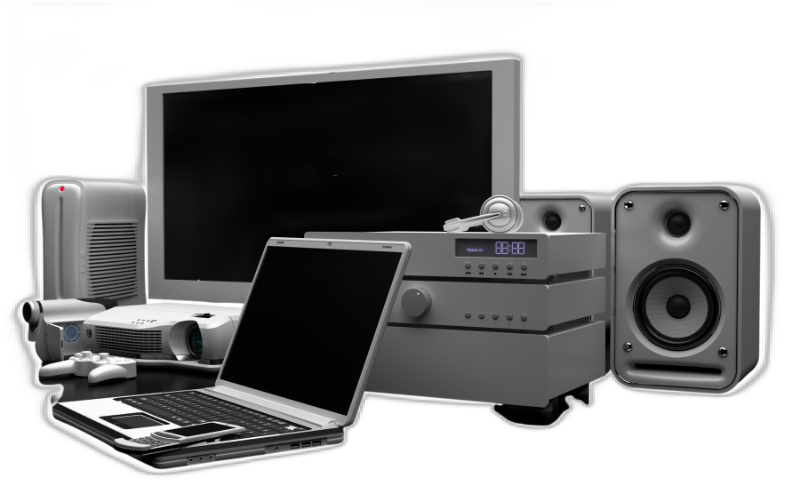
Is e-waste clearly defined? There is no clear definition for e-waste. The term is loosely applied to unwanted consumer and business electronic equipment.
Is e-waste considered hazardous? Sometimes. Certain components of some electronic products contain materials that render them hazardous depending on their condition and density. For instance, California law views nonfunctioning cathode ray tubes (CRT) and mercury bulbs from televisions, laptops, tablets and monitors as hazardous waste.
What should I do with my e-waste? Reduce, Reuse, Recycle.
- Reduce your e-waste through smart purchasing and good maintenance.
- Reuse still-functioning items by donating or selling them.
- Recycle those products that cannot be repaired.
The Covered Electronic Waste (CEW) Recycling Program
The Covered Electronic Waste Recycling Program (Program) provides all Californians with convenient recycling for unwanted electronics.
CalRecycle receives and evaluates applications from prospective collectors and recyclers to participate in the Program.
Visit the Program page to find out more about:
- Program statistics;
- Current payment rates;
- Regulations and statutes concerning the Program; and
- Upcoming and recent past events.
Why was I charged a Fee?
Since January 1, 2005, a recycling fee has been placed on certain electronic devices sold in California. See the Retail Fee page for details.
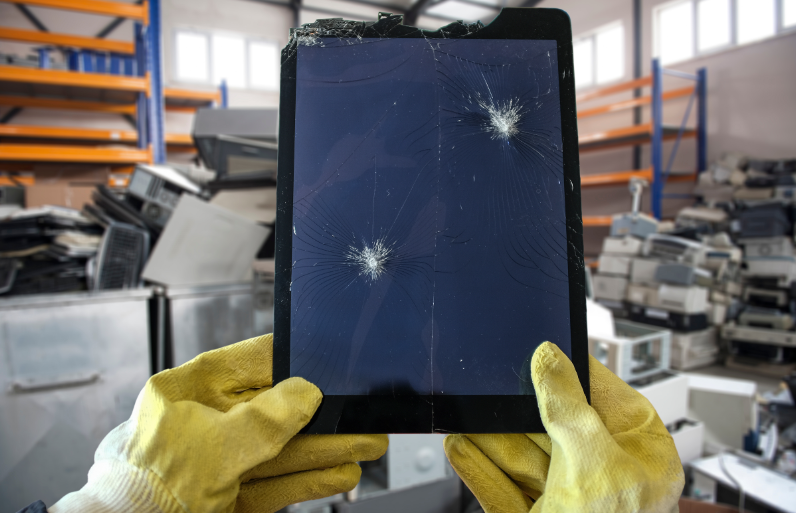
Approved Collectors and Recyclers
CalRecycle makes recovery and recycling payments to collectors and recyclers for collection and recycling of CEW.
See the Collector and Recycler Information page to find out more about requirements to participate in the program.
CalRecycle provides a database that organizations can use to find other businesses within the CEW Recycling Program.

Local Governments
Regulations governing the CEW Recycling Program contain a provision that allows a Local Government to designate an approved collector to provide its specified CEW collection services.
Manufacturers
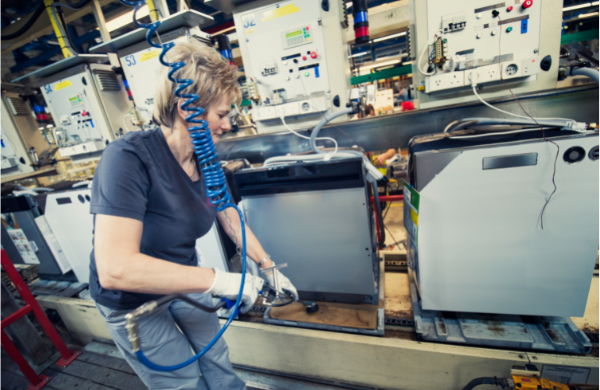
Manufacturers of covered electronic devices are required annually to:
- Report specific information in Manufacturer Reports to CalRecycle about applicable devices that are sold in California
- Notify retailers in California of the fee requirement associated with selling these devices
- Provide information to consumers that describes where and how to return, recycle, or dispose of their devices
The Manufacturer Take-Back Payment System is also available.

Future of Electronic Waste Management Report
The electronic waste stream is becoming more complex and is presenting challenges to the recycling industry and policymakers alike. For this reason, CalRecycle embarked on a long-term initiative to explore the future options of electronic waste management in California. The culmination of the Future of Electronic Waste Management in California project is a report with a set of policy recommendations that CalRecycle adopted at its 2018 May public meeting.
This page is for informational purposes only; it does not list all requirements in statute and regulations.
For more information contact: Covered Electronic Waste Recycling Program, EWaste@calrecycle.ca.gov